Ensuring Reliable Communications The Role of Diesel Generators in Telecommunications
Introduction In today's interconnected world, telecommunications play a crucial role in facilitating communication, data transfer, and connectivity across the globe. From mobile phones to internet services, the telecommunications industry relies on a robust and uninterrupted power supply to ensure seamless operations. 300kw generator of the key components that help maintain this critical infrastructure is the diesel generator. In this article, we will explore the importance of diesel generators in the telecommunications sector, their features, benefits, and why they are preferred over other power sources. Importance of Reliable Power Supply in Telecommunications Telecommunications networks are designed to operate 24/7, providing uninterrupted services to millions of users worldwide. Any disruption in power supply can lead to network outages, dropped calls, data loss, and a significant impact on the overall user experience. To mitigate the risks associated with power failures, telecommunication companies invest in reliable backup power solutions such as diesel generators. Diesel generators are known for their robustness, reliability, and ability to provide continuous power supply during emergencies or grid failures. They are designed to start automatically within seconds of a power outage, ensuring that critical equipment such as base stations, data centers, and communication towers remain operational. This seamless transition to backup power helps minimize downtime and ensures that essential services are not disrupted. Features of Diesel Generators for Telecommunications Diesel generators used in the telecommunications industry are specifically designed to meet the unique requirements of this sector. Some key features that make diesel generators ideal for powering telecommunication infrastructure include: 1. Power Output: Diesel generators are available in a wide range of power outputs to cater to the varying energy needs of telecommunication facilities. From small portable generators for remote sites to large industrial generators for data centers, telecommunications companies can choose the right capacity to meet their specific power requirements. 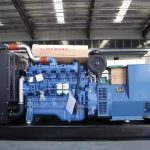 2. Durability: Diesel generators are built to withstand harsh environmental conditions, making them suitable for outdoor installation in remote locations. Their robust construction and weatherproof enclosures ensure reliable performance even in extreme temperatures, high humidity, or dusty environments. 3. Fuel Efficiency: Diesel generators are known for their fuel efficiency and cost-effectiveness compared to other power sources. The high energy density of diesel fuel allows generators to operate for extended periods without frequent refueling, making them an economical choice for continuous power supply. 4. Reliability: One of the key advantages of diesel generators is their reliability and ability to provide backup power in emergencies. With regular maintenance and proper care, diesel generators can last for decades, offering a dependable source of power for critical telecommunication infrastructure. 5. Remote Monitoring: Many modern diesel generators come equipped with advanced monitoring systems that allow remote monitoring and control of the generator performance. Telecommunications companies can track fuel levels, battery status, and generator operation from a centralized location, enabling proactive maintenance and troubleshooting. Benefits of Diesel Generators for Telecommunications The use of diesel generators in the telecommunications industry offers several benefits that contribute to the seamless operation of communication networks. Some of the key advantages of deploying diesel generators in telecommunication facilities include: 1. Reliable Backup Power: Diesel generators provide a reliable source of backup power that can be activated instantly in the event of a grid failure or power outage. This ensures uninterrupted operation of critical equipment and services, minimizing downtime and maintaining connectivity for users. 2. Scalability: Diesel generators are available in a wide range of capacities, allowing telecommunication companies to scale their power infrastructure based on their evolving energy needs. Whether it's a small cell site or a large data center, diesel generators can be customized to match the specific requirements of the facility. 3. Rapid Response: Diesel generators are designed to start quickly and deliver power within seconds, ensuring a rapid response to power outages. This swift activation is essential in maintaining continuous communication services and preventing service disruptions for customers. 4. Cost-Effective Operation: Diesel generators are a cost-effective solution for providing backup power in telecommunications facilities. The relatively low cost of diesel fuel, coupled with the high efficiency of diesel engines, makes generators a cost-effective option for ensuring uninterrupted power supply. 5. Environmental Compatibility: While diesel generators are known for their emissions, modern models are designed to comply with stringent environmental regulations and emission standards. Telecommunication companies can choose eco-friendly diesel generators that minimize air pollution and reduce the carbon footprint of their operations. 6. Autonomous Operation: Diesel generators are designed for autonomous operation, meaning they can function independently without the need for external power sources. This self-sufficiency is crucial for remote telecommunication sites or areas with unreliable grid power, ensuring continuous operation without dependency on external utilities. 7. Longevity and Reliability: Diesel generators are renowned for their durability, longevity, and reliability, making them a trusted choice for backup power in telecommunications. With proper maintenance and servicing, diesel generators can last for decades, providing a stable and consistent power source for critical infrastructure. Why Diesel Generators are Preferred in Telecommunications The telecommunications industry relies heavily on diesel generators for backup power due to several factors that make them the preferred choice over other power sources. Some of the reasons why diesel generators are widely used in the telecommunications sector include: 1. Reliability: Diesel generators are renowned for their reliability and proven track record of providing continuous power supply during emergencies. This reliability is essential for telecommunications companies that cannot afford downtime or service disruptions that can impact customer satisfaction and revenue. 2. Quick Start-Up: Diesel generators are designed to start quickly and deliver power within seconds of a power outage. This rapid start-up time ensures a seamless transition to backup power, minimizing the impact of grid failures on telecommunication services. 3. Fuel Availability: Diesel fuel is widely available and can be stored on-site for extended periods without degradation, making it a convenient and accessible fuel source for generators. Telecommunications companies can maintain a supply of diesel fuel to ensure uninterrupted operation of their backup power systems. 4. Energy Efficiency: Diesel generators are known for their energy efficiency and high power output compared to other power sources. This efficiency translates to cost savings for telecommunication companies in terms of fuel consumption and operational expenses. 5. Low Maintenance Requirements: Diesel generators require minimal maintenance and servicing compared to other power sources, reducing downtime and operational costs for telecommunications companies. Routine maintenance tasks such as oil changes, filter replacements, and inspections are straightforward and can be performed by trained technicians. 6. Adaptability to Remote Locations: Telecommunication infrastructure is often located in remote or off-grid locations where grid power may be unreliable or unavailable. Diesel generators are well-suited for such environments, providing a dependable power source for communication towers, base stations, and other critical equipment. 7. Compliance with Regulations: Diesel generators are designed to comply with environmental regulations and emission standards, ensuring that telecommunication companies meet legal requirements and environmental guidelines. By choosing modern diesel generators with advanced emission control systems, companies can minimize their impact on the environment. Challenges and Considerations While diesel generators offer numerous benefits for the telecommunications industry, there are also challenges and considerations that need to be addressed to maximize their effectiveness and efficiency. Some of the key challenges associated with diesel generators in telecommunications include: 1. Emissions and Environmental Impact: Diesel generators are known for their emissions, including nitrogen oxides (NOx), particulate matter, and carbon monoxide. Telecommunication companies need to mitigate the environmental impact of diesel generators by choosing models with advanced emission control systems and implementing pollution control measures. 2. Fuel Storage and Supply: Maintaining a steady supply of diesel fuel is crucial for the continuous operation of diesel generators. Telecommunication companies need to ensure proper storage facilities, fuel monitoring systems, and contingency plans for fuel delivery to prevent fuel shortages during emergencies. 3. Maintenance and Serviceability: Regular maintenance and servicing are essential to keep diesel generators in optimal condition and prevent unexpected failures. Telecommunication companies should establish comprehensive maintenance schedules, conduct regular inspections, and train personnel to handle basic maintenance tasks. 4. Noise Pollution: Diesel generators can produce noise levels that may exceed local regulations and disturb nearby residents or wildlife. To address noise pollution concerns, telecommunication companies can install soundproof enclosures, acoustic barriers, or choose generator models with noise-reducing features. 5. Integration with Renewable Energy: As the telecommunications industry moves towards sustainable and renewable energy sources, integrating diesel generators with solar power, wind energy, or battery storage systems can help reduce reliance on fossil fuels and minimize environmental impact. Hybrid power solutions can provide a more sustainable and efficient energy mix for telecommunication facilities. Conclusion In conclusion, diesel generators play a critical role in ensuring reliable and uninterrupted power supply for the telecommunications industry. From powering communication towers and data centers to supporting remote sites and base stations, diesel generators offer a cost-effective, reliable, and efficient backup power solution for telecommunication companies. By understanding the features, benefits, and considerations associated with diesel generators, telecommunications providers can make informed decisions to safeguard their infrastructure and maintain seamless connectivity for users worldwide. As technology continues to evolve and energy demands increase, diesel generators will remain a vital component of the telecommunications ecosystem, supporting the growth and resilience of communication networks in the digital age.